Regional Names, Distinct Identities
A pleat can hold a filling together. It cannot, on its own, tell you where a dish belongs. Begin with the name, then follow the dough into its regional context.
A useful category, not one family story
“Dumpling” is a convenient English umbrella, but convenience has limits. It brings together foods whose cooks may understand them through very different categories: filled pasta, buns, festival foods, everyday lunches or dishes made for sharing. Similar shapes do not prove a common origin, and a shared cooking method does not make two traditions interchangeable.
At a specialist table, use the local dish name whenever the menu provides it. Ask what distinguishes this version rather than which version is the most authentic. A cook may be working within a city tradition, a family practice or a diaspora adaptation. All three can carry specific knowledge. Ingredients change through migration, availability and personal taste without making a kitchen’s work culturally empty.
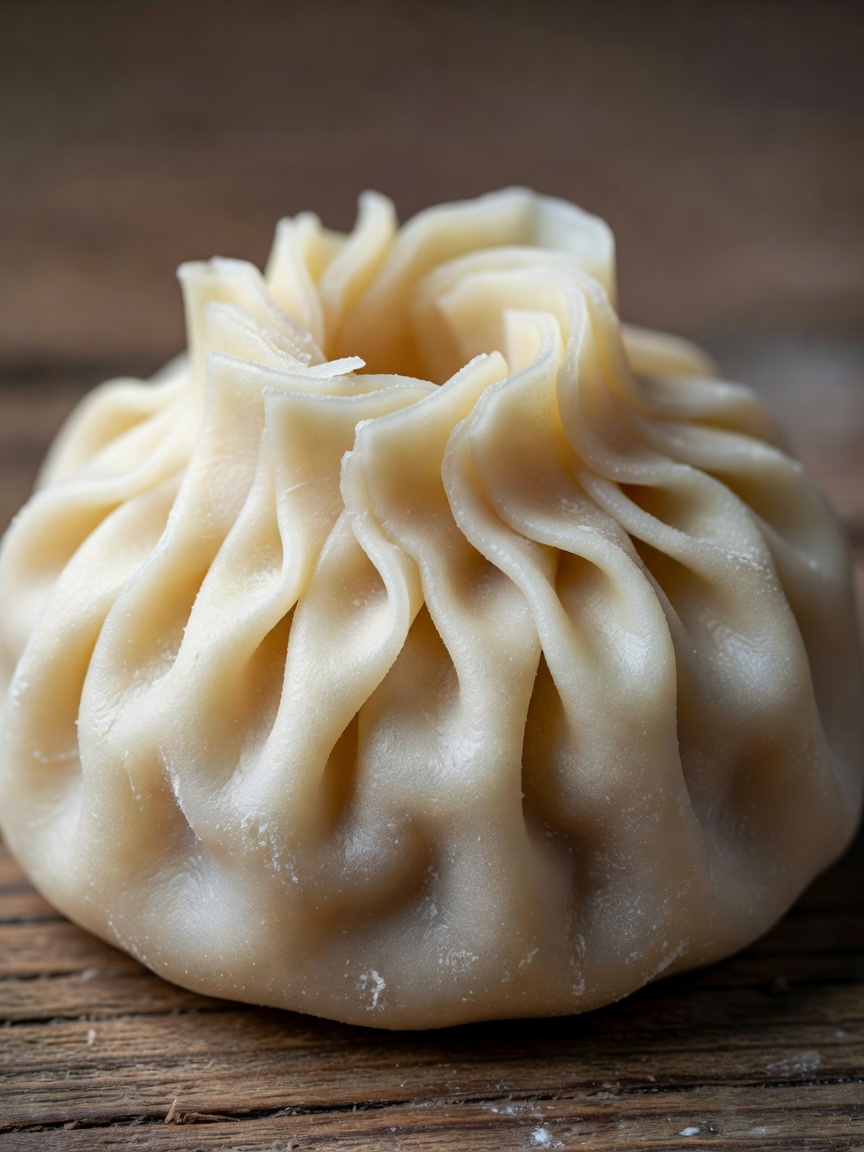
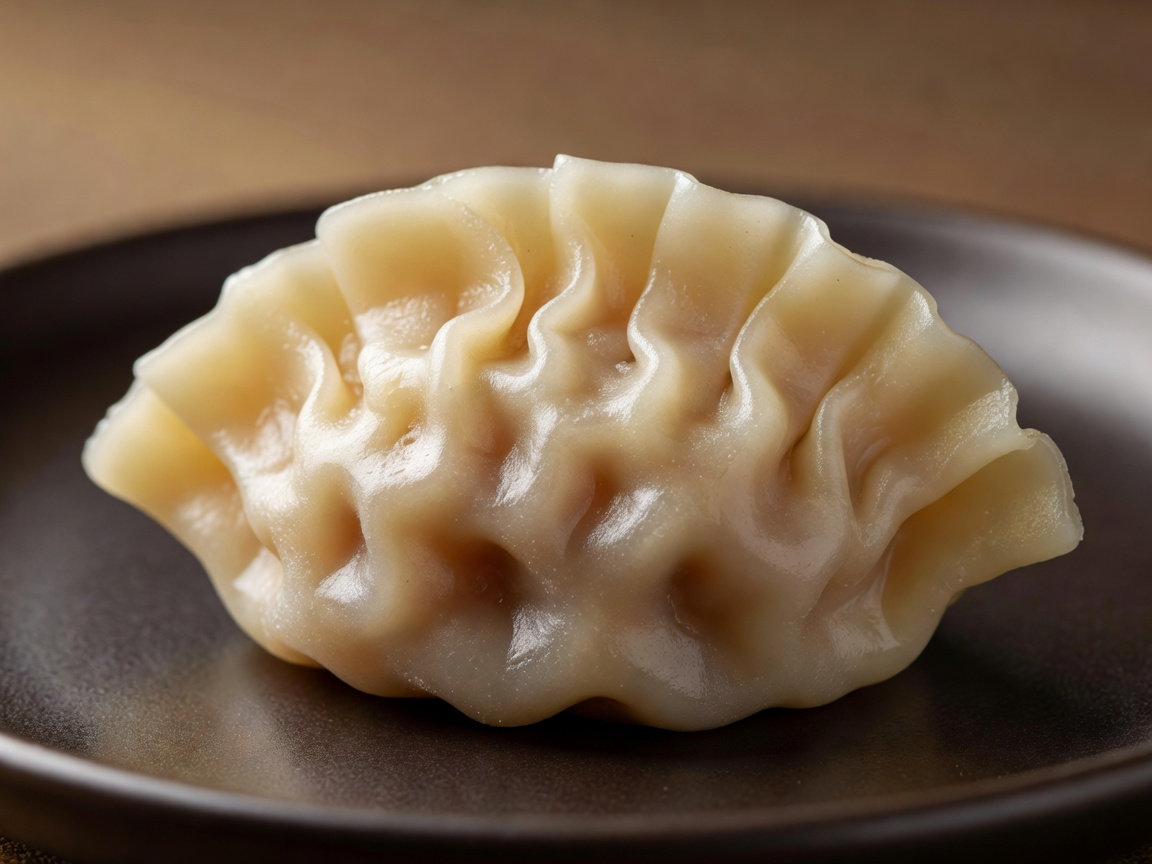
Look at the wrapper’s thickness, the way the seam closes and the balance between dough and filling. Then connect those observations to what the restaurant actually says. That sequence keeps curiosity grounded in evidence rather than a photograph’s resemblance to something you already know.
Chinese names reward precision
Jiaozi are closely associated with northern Chinese foodways, including traditions in Shandong and Beijing. Wheat wrappers enclose many possible fillings, and the cooking method matters: boiled shuijiao and pan-fried preparations offer different textures. A crescent shape is a starting observation, not a complete description of a regional style.
Xiaolongbao belong to a different conversation. Strongly associated with the Jiangnan region and places including Shanghai and Nanxiang, these small steamed buns often enclose a hot, savoury broth. Versions associated with Suzhou and Wuxi can differ in seasoning and construction. Do not assume every basket shares the same sweetness, wrapper thickness or amount of liquid.
Cantonese dim sum offers another framework. Har gow, often encountered in Guangzhou and Hong Kong, are shrimp dumplings known for a delicate starch-based wrapper. Their translucency is not the same thing as the thin wheat skin of a soup-filled bun. Dim sum also includes many foods beyond dumplings, so the broader meal should not be reduced to one category.
Across neighbouring and distant tables
Japanese gyoza developed through a history connected to Chinese jiaozi, yet their contemporary restaurant settings and preparations deserve their own names. Utsunomiya in Tochigi is particularly associated with gyoza. Pan-fried versions are familiar, but the word alone does not require every serving to have a crisp base.
Korean mandu encompass substantial regional and household variety. A menu might offer kimchi, tofu, meat or vegetable fillings, served steamed, boiled or in soup. In Seoul, the preparation and restaurant’s own account tell you more than a generic expectation that mandu must be spicy. Kimchi itself also requires ingredient questions when dietary restrictions matter.
Momo appear in Tibetan and Nepali food cultures, including Kathmandu, with varied fillings, shapes and accompaniments. Achar can be central to the experience rather than an optional decorative dip. Ask how the house intends the sauce to be used, and avoid treating a single restaurant’s version as representative of every Himalayan community.
Let the table customs stay specific
Georgian khinkali are substantial gathered dumplings, commonly filled with seasoned meat and broth, although mushroom, cheese and other versions exist. In Tbilisi, diners may demonstrate holding the top knot and sipping broth before eating the rest. Follow the particular serving context; do not turn one custom into a rule for every filled dough dish.
Polish pierogi, familiar in Kraków and far beyond, usually close along a crescent edge. Fillings can be savoury or sweet, and boiled dumplings may later be pan-fried. Ukrainian varenyky share some visual territory while belonging to their own named culinary tradition. Respecting those names is more useful than declaring the dishes identical.
The best comparison ends with greater precision: this wrapper is thicker, this filling more aromatic, this sauce more acidic. It does not end with a ranking of entire cultures. Take the restaurant’s regional claim seriously, ask a focused question and let the meal complicate your first assumptions.
Follow the heat